
Autoimmune & Inflammatory Joint Diseases — effectively managed with holistic and natural treatment mostly without needing powerful drugs and regular painkillers.
Ayurvedic management of autoimmune and inflammatory joint conditions — Rheumatoid Arthritis, Ankylosing Spondylitis, Lupus, Psoriatic Arthritis, Gout, and Fibromyalgia. Our protocols combine Panchakarma detoxification with immunomodulatory herbal medicines to reduce inflammation, manage flares, and slow disease progression.
Our Physicians for Rheumatology
Experienced Ayurvedic physicians who lead treatment in this clinical area.
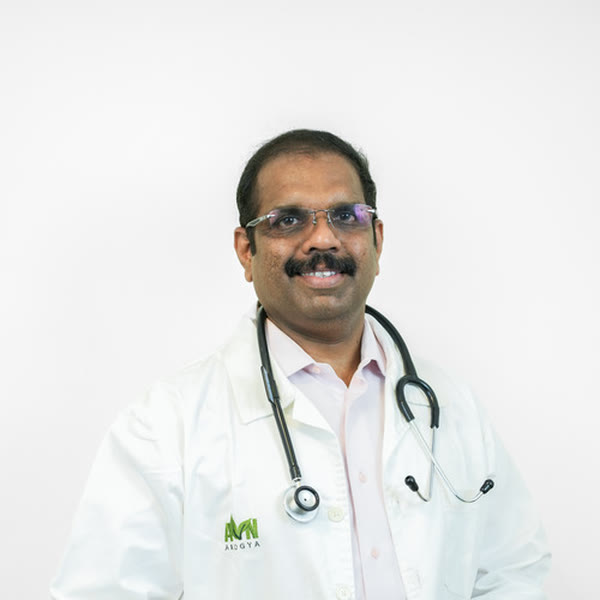
Dr.Biju Madhavan
Chief Consultant Physician
BAMS, MD (Ayurveda)
Dr. Sridevi Rajeev Warrier
Medical Director & Senior Consultant Physician
BAMS, (Gold Medalist)
Dr. Ramesh R. Varier
Senior Consultant Physician & Managing Director
BAMS, (Gold Medalist) & Guru under RAV, Clinical Hypnotherapist
Dr. Sreejith
Senior Physician
BAMS
Dr. Chippi
Senior - Physician
BAMS.,
Dr. Geethu Sajan
Senior Physician & Clinic-In-Charge
BAMS
Dr. Padmavathy
Senior Physician & Clinic-in-Charge
BAMS
Dr. Devidas Vellodi
Senior Physician & Clinic-in-Charge
BAM
Rheumatology — Overview & Ayurvedic Understanding
Rheumatic diseases are chronic autoimmune or inflammatory conditions where the immune system attacks the body's own joints and connective tissues. Conventional medicine relies heavily on DMARDs (disease-modifying anti-rheumatic drugs), biologicals, and immunosuppressants including Steroids — which control symptoms but often carry significant long-term side effects. Ayurveda offers a fundamentally different approach. At AVN Arogya, we treat rheumatic conditions by addressing the root cause — Ama (metabolic toxins) combined with vitiated Vata and Pitta lodging in joints and tissues. Through Panchakarma detoxification, anti-inflammatory herbal protocols, dietary regulation, and lifestyle management, we aim to reduce disease activity, manage flares, and improve quality of life — often allowing patients to reduce their dependence on conventional immunosuppressive medicines under medical supervision.
Symptoms of Rheumatology
Morning stiffness lasting more than 30 minutes. Symmetrical joint pain and swelling (especially small joints of hands and feet). Fatigue and generalised body ache. Joint deformity or nodules. Skin rashes, mouth ulcers, or eye dryness (in lupus and Sjogren's). Lower back stiffness that improves with movement (ankylosing spondylitis). Sudden severe pain in the big toe or ankle (gout).
Causes & Risk Factors for Rheumatology
Rheumatic diseases are caused by immune system dysfunction — the body's defence mechanism mistakenly attacks healthy joint tissues and organs. In Ayurveda, this is understood as Ama (undigested metabolic toxins) combining with aggravated Doshas to lodge in joints and connective tissues. Triggers include genetic predisposition, chronic stress, poor diet, gut health imbalance, infections, and environmental factors. Each rheumatic condition has a distinct pathology but shares the common thread of immune-mediated inflammation.
How We Diagnose Rheumatology
Diagnosis is made through comprehensive clinical examination along with detailed history Review of existing reports — RA factor, anti-CCP antibodies, ESR, CRP, ANA profiles, uric acid levels. X-rays and MRI of affected joints when needed. Assessment of disease activity using standard indices (DAS28 for RA, BASDAI for AS). Dosha-Prakriti assessment to guide personalised treatment selection.
Rheumatology — Surgery vs Non-Surgical Ayurvedic Treatment
Why Non-Surgical Ayurvedic Treatment Works for Rheumatology
Rheumatic and autoimmune conditions are inherently non-surgical — they are managed with medicines, not operations. The question is not surgery vs non-surgery but rather conventional immunosuppression vs Ayurvedic immunomodulation. Our approach uses Panchakarma detoxification to clear Ama (the root cause), combined with anti-inflammatory and immunomodulatory herbal formulations that address the disease mechanism rather than just suppressing symptoms. Many patients on long-term DMARDs and steroids are able to gradually reduce their dependence under medical supervision.
When Surgery Is the Right Path
Joint replacement may be considered when autoimmune damage has caused irreversible joint destruction with severe functional limitation — typically in advanced RA or AS with complete joint fusion. Synovectomy (surgical removal of inflamed joint lining) is occasionally indicated for joints that do not respond to medical management. We maintain transparent referral relationships with orthopaedic surgeons for patients who require surgical intervention.
We maintain transparent referral relationships with leading orthopaedic and specialist surgeons.
Key Outcomes
Measurable reduction in ESR and CRP levels within 3-4 weeks of intensive Panchakarma in most patients. 60-70% of RA patients achieve significant DMARD dose reduction within 6-12 months of sustained Ayurvedic treatment. Gout patients typically achieve normal uric acid levels within 8-12 weeks with dietary compliance. Over 80% of fibromyalgia patients report meaningful pain and fatigue reduction. Long-term remission achieved in 40-50% of early-stage RA patients with consistent treatment.
Treatment Pathways for Rheumatology
Outpatient (OP)
Mild and less active rheumatic conditions can often be managed with medicines and periodic review after consultation — sometimes alongside your existing treatment. Many cases, and more active or advanced disease, respond best to visiting therapy or an inpatient programme, as your physician advises.
Book OP Appointment →Visiting Therapy
Daily therapy sessions without admission. Visit our centre and return home the same day.
Typical duration: 12 -15 days based on the severity of the disease activity.
Learn About Visiting Therapy →Inpatient Program
Intensive residential treatment with daily Panchakarma, physiotherapy, yoga, and dietary management.
Typical duration: 15 -21 days based on the severity of the disease activity. Short courses of followups are also sometimes recommended for 3-5 days if found necessary in a few cases.
Learn About IP Care →Ayurvedic Treatment Approach for Rheumatology
Our rheumatology protocol begins with a thorough assessment of the patient's Dosha imbalance, disease stage, and current medication status. The physician designs a personalised programme that typically includes: Virechana (therapeutic purgation) to clear Pitta and Ama from the system. Vasti (medicated enema) therapy — the cornerstone for autoimmune joint conditions, using specific Kashayam formulations.
Oil, powder and poultice based therapies, for affected joints. Internal medicines including our proprietary preparations and classical Guggulu formulations (Yogarajaguggulu, Kaisora Guggulu etc), Kashayams, and Rasayana herbs for immune modulation. Strict Pathya-Apathya (dietary do's and don'ts) — critical for managing autoimmune flares.
We work on all pillars of health like diet, lifestyle, sleep, exercise, and supports like Physiotherapy and Yoga n addition to the Ayurvedic medicines and therapies. . the patient's rheumatologist when needed, and any reduction in conventional medicines is done gradually under medical supervision.
Ayurvedic Therapies for Rheumatology
These are examples of classical Ayurvedic therapies that may be selected for your programme depending on your condition, stage, and constitutional type. Your treating physician decides which therapies are appropriate — no two programmes are the same.
Upanaham
AdjunctiveA deeply penetrative hot herbal poultice application bound overnight to melt away chronic joint stiffness and deep pain.
Learn about this therapy →
Bandhanam
AdjunctiveA therapeutic herbal immobilization wrap used to stabilize weak or injured joints and accelerate deep ligament healing.
Learn about this therapy →
Lepanam
AdjunctiveAn application of a thick, targeted herbal paste over specific body areas to quickly draw out inflammation, pain, or skin impurities.
Learn about this therapy →
Elakizhi
Kerala TherapyTherapeutic massage with boluses of fresh medicinal leaves warmed in medicated oil — excellent for inflammatory-painful joint conditions.
Learn about this therapy →
Takradhara
Kerala TherapyContinuous pouring of medicated buttermilk over the forehead or body — the signature therapy for chronic Pitta-dominant conditions.
Learn about this therapy →
Ajavit kizhi
Kerala TherapyA specialized, traditional dry bolus therapy designed to relieve severe sciatic pain and deep nerve compression.
Learn about this therapy →
Tailadhara
Kerala TherapyA luxurious, highly therapeutic continuous pouring of warm medicated oils to nourish nerves, soothe anxiety, and deeply hydrate tissues.
Learn about this therapy →
Kashayadhara
Kerala TherapyA therapeutic, continuous stream of warm herbal decoctions over the body to cleanse the skin and soothe the nervous system.
Learn about this therapy →
Kadidhara
Kerala TherapyA continuous, rhythmic pouring of warm, fermented herbal grain liquid to combat deep-seated inflammation, fluid retention, and stiffness.
Learn about this therapy →
Your physician may also include Manjal kizhi, Podi kizhi, Kati Vasti, Panchakarma, Virechanam, Vasti, Nasyam, Abhyangam, Swedanam or Shirodhara, depending on your presentation.
Treatment Outcomes for Rheumatology
Reduction in joint pain, swelling, and morning stiffness within 2-4 weeks of intensive treatment.
Measurable improvement in inflammatory markers (ESR, CRP, RA factor).
Many patients reduce or avoid DMARDs and steroids gradually, based on their response and remission status.
Improved joint mobility and grip strength.
Better sleep quality and reduced fatigue.
Long-term disease management through maintenance medicines and dietary discipline.
Why AVN Arogya for Rheumatology
Specialised Autoimmune & Rheumatic Protocols
Our immunomodulatory Panchakarma protocols are specifically designed for autoimmune conditions — RA, AS, lupus, psoriatic arthritis, and spondyloarthropathies. We target inflammation and immune dysregulation at the root, not just pain management.
Works Alongside Your Rheumatologist
We never ask patients to stop DMARDs, biologics, or immunosuppressants. Our integrated approach works alongside your rheumatologist's regimen — aiming for better disease control at the lowest effective medication dose over time.
Flare Reduction & Remission Support
Patients typically see reduced flare frequency, lower inflammatory markers (ESR, CRP), and improved joint function within 2-3 months. Short recurring 3-5 day Vasti courses help prevent relapses between intensive treatment cycles.
96 Years Treating Chronic Joint Disease
AVN Arogya was founded treating chronic joint and bone diseases — it is in our name. Our Vasti (medicated enema) and Panchakarma expertise for inflammatory and degenerative joint conditions is built on four generations of clinical refinement.
Rheumatology Treatment Cost & Programme Pricing
Inpatient treatment is INR 6,000-19,000 per day, all inclusive, depending on the room category chosen. Outpatient therapy is about INR 2,000-3,000 per day. Medicines cost about INR 2,000-10,000 a month, depending on the condition. Cashless insurance accepted through 35+ empaneled TPAs. Financing options through EMIs also available. The number of days you need depends on your own condition and is decided by the treating physician after assessment.
For condition-specific programme costs with all pathways (OPD, Visiting Therapy, Inpatient) and room-category breakdowns, open any condition above. For accommodation details and room pricing, see our inpatient rooms.
Why Choose AVN Arogya for Rheumatology?
Our physicians understand both Ayurvedic and modern rheumatology frameworks — we speak both languages.
Structured inpatient programmes for severe flares, where daily Panchakarma accelerates recovery.
Treatment is staged rather than uniform: many patients are managed on Ayurvedic treatment alone, some need it alongside DMARDs, and a minority respond adequately to neither and need biologic therapy.
Which applies is decided by assessment and response over time.
Where conventional medication is already prescribed and in use, we do not abruptly discontinue it — we work to reduce dependence after good remission is obtained.
Response is tracked objectively through ESR, CRP and disease-activity scores.
And why AVN Arogya at all
- Trust built on four generations and over 96 years of Ayurveda-based healing, evidenced by the patients we have treated and the testimonials they have given.
- Tamil Nadu's first Ayurvedic hospital to be NABH accredited — a testimony to our commitment to the quality of patient care.
- Doctors who give you a patient hearing, assess in detail using both modern diagnostics and holistic Ayurvedic methods, and make honest recommendations with options to suit your condition.
- Treatment protocols personalised to your situation, including the mode of treatment that fits it — outpatient, day care or inpatient.
- A holistic approach spanning diet, lifestyle, psychological support, pure Ayurvedic medicines and external applications, Panchakarma, Upakarma and Kerala speciality therapies, physiotherapy, rehabilitation and yoga where applicable.
- Safe and effective Ayurvedic medicines manufactured in-house and tested to international standards for heavy metals.
- Cashless inpatient treatment through tie-ups with 35 insurance companies and TPAs.
- Interest-free EMI on inpatient treatment, over 3 to 18 months, through our financing partners.
- Corporate tie-ups for screening camps, teleconsultations and inpatient treatment funded by corporate health programmes or insurance.
NABH accreditation covers the Vilachery hospital in Madurai. Cashless cover applies to inpatient treatment at the Vilachery hospital.
Patient Success Stories for Rheumatology
Real outcomes from real patients — watch their recovery journeys.

Brindha Balachandar, Chennai (currently living in Germany)
Sero-Negative Arthritis (back pain)
Mrs. Brindha Balachandar, 33, was born and raised in Chennai and now lives in Germany with her husband and son. She came to AVN Arogya for back pain associated with sero-negative arthritis, on the strong recommendation of her father, who had been treated there several times for his own back problem. She was treated over a 21-day inpatient stay under Dr. Biju Madhavan, a back specialist. She praised the doctors and staff for attentive, responsive care - visiting daily, gathering feedback after each therapy and adjusting treatment accordingly - and described her overall experience at the Madurai hospital as top-notch.
Sandiya Devi, Kodaikanal
Spondyloarthropathy (seronegative)
Ms. Sandiya Devi, from Kodaikanal, had seronegative spondyloarthropathy; her back pain worsened until, for several days, she couldn't get up and walk in the mornings and could only lie down. She found AVN Arogya through good online reviews and came for treatment. She reports that after treatment she can now sit (which she couldn't before), walk a little and stand - a clear step forward. (Tamil testimonial.)
Shanthi, Madurai
Rheumatoid Arthritis (knee & leg)
Mrs. Shanthi, from Madurai, battled persistent knee and leg pain caused by rheumatoid arthritis despite earlier treatments. At AVN Arogya she received Ayurvedic care (Panchakarma and herbal medicines). According to the video her pain eased. (Based on the video description.)
Manikandan, Hosur
Rheumatoid Arthritis
Suffering from rheumatoid arthritis for over 7 years, Mr. Manikandan from Hosur tried many treatments—yet lasting relief remained out of reach. The video reports treatment at AVN Arogya (Madurai) with Ayurvedic care (Panchakarma and herbal medicines) and a positive recovery. (Based on the video description.)
Sunil, Florida
Ankylosing Spondylitis
Mr. Sunil Kumar Raina, from Florida, had been battling Ankylosing Spondylitis, a chronic inflammatory condition causing severe back pain and stiffness. The video reports treatment at AVN Arogya (Madurai) with Ayurvedic care (Panchakarma and herbal medicines) and a positive recovery. (Based on the video description.)
Muthumani, Madurai
Rheumatoid Arthritis
After struggling with rheumatoid arthritis pain for over 5 years, Mrs. Muthumani from Madurai found true relief at AVN Arogya Ayurvedic Hospital. The video reports treatment at AVN Arogya (Madurai) with Ayurvedic care (Panchakarma and herbal medicines) and a positive recovery. (Based on the video description.)
Have a Question About Rheumatology?
Tell us about your condition or ask anything about how we treat Rheumatology. Leave your details and our team will get back to you.
Start Your Rheumatology Treatment
Book a consultation to assess your condition and get a personalised treatment plan.
Ayurvedic & Medical Terms for Rheumatology
View Full Glossary →Ama
Metabolic toxins that accumulate from incomplete digestion. Considered the root cause of most diseases in Ayurveda. Panchakarma detoxification aims to eliminate Ama from tissues.
Autoimmune
A condition where the body's immune system mistakenly attacks its own healthy tissues. Rheumatoid arthritis, lupus, and psoriasis are autoimmune conditions where the immune system causes inflammation and tissue damage.
CRP
C-Reactive Protein -- a blood test that measures a protein produced by the liver in response to inflammation. Elevated CRP levels help doctors assess the severity of inflammatory and autoimmune conditions.
DMARDs
Disease-Modifying Anti-Rheumatic Drugs -- a class of medications (such as Methotrexate) that slow the progression of rheumatoid arthritis by suppressing the overactive immune system, rather than just relieving symptoms.
Dosha
The three fundamental bio-energies that govern all physiological and psychological functions: Vata (movement), Pitta (metabolism), and Kapha (structure). Disease arises from their imbalance.
ESR
Erythrocyte Sedimentation Rate -- a blood test that measures how quickly red blood cells settle to the bottom of a test tube. A high ESR indicates inflammation in the body and is used to monitor conditions like rheumatoid arthritis.
Guggulu
The purified resin of Commiphora mukul — a cornerstone herb in Ayurvedic treatment of arthritis, hyperlipidaemia, obesity, and stubborn inflammatory conditions. Formulations include Yogaraja Guggulu, Kaishora Guggulu, and Triphala Guggulu.
Inflammatory Markers
Blood test values (such as ESR and CRP) that indicate the level of inflammation in the body. Doctors track these markers to assess disease activity and treatment response in autoimmune and inflammatory conditions.
Panchakarma
The five classical detoxification procedures of Ayurveda: Vamana (emesis), Virechana (purgation), Vasti (enema), Nasya (nasal), and Raktamokshana (bloodletting). The cornerstone of Ayurvedic therapeutics.
Pathya-Apathya
The Ayurvedic dietary and lifestyle framework prescribing what is beneficial (Pathya) and harmful (Apathya) for each condition and constitution. A critical part of every treatment plan.