
Why Slip disc happens and how to treat it without Surgery.
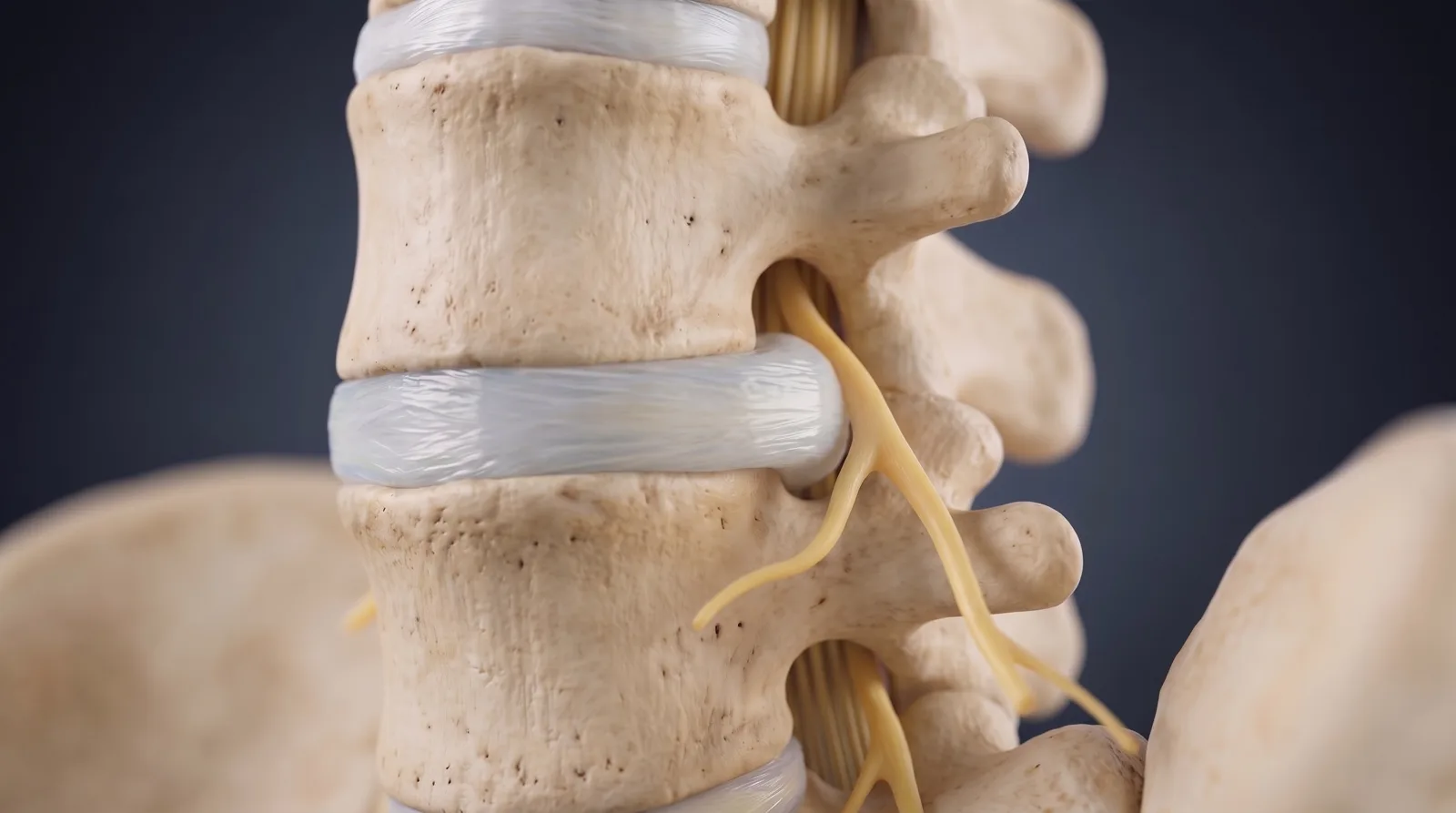
Lumbar disc herniation occurs as a result of th edisc loosing its elasticity due to dehydration or loss of wter content leading to cracks developing over time. Then the soft inner core of a spinal disc pushes through the cracked outer fibrous ring, protruding into the spinal canal and the narrow opening through which the nerves come out of the spinal canal between each vertebra, and presses on nearby nerves. It affects millions worldwide and is increasingly common in younger adults due to sedentary lifestyles and poor posture.
Common Causes
- Prolonged sitting and desk work
- Heavy lifting with improper form
- Age-related disc degeneration
- Obesity increasing spinal load
- Lack of core muscle strength
How Ayurveda Treats Slip Disc
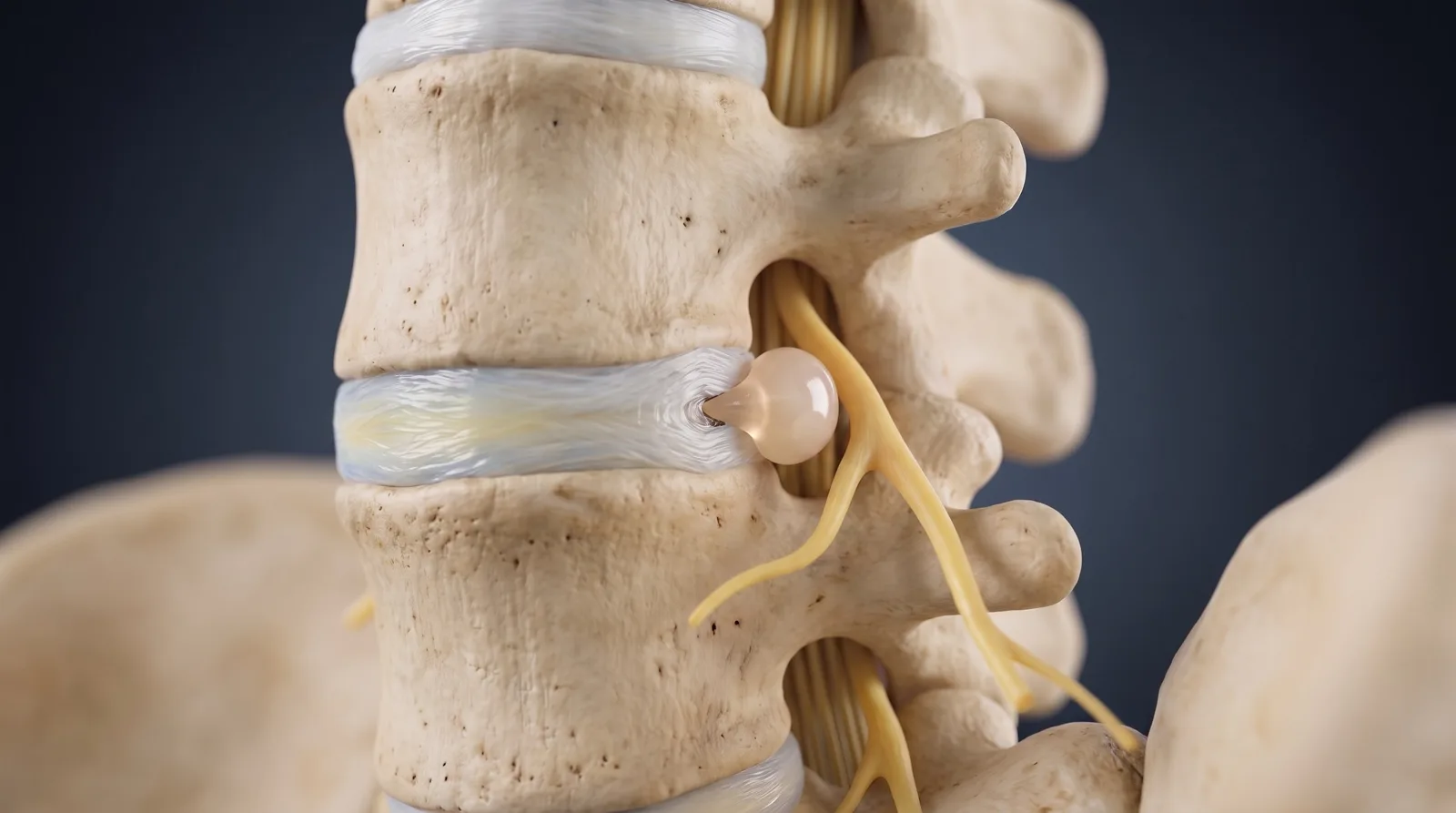
Ayurvedic treatment targets the root cause of Lumbar — slip disc, which is degeneration of the vertebrae, the discs, and the spinal ligaments. It is considered a Vata-related problem according to Ayurveda. This degeneration may also lead to inflammatory situations secondary to the degeneration.
At AVN Arogya we identify the exact condition, the tissues involved, the extent of pressure on the nerves, etc., and institute a personalized protocol for each patient based on his exact specific situation. For many mild conditions internal medications, external oil applications, and some exercises would be enough to help the patients recover well. However, more intense conditions may require Ayurvedic Pancha Karma-based therapies along with medicines. Extremely severe cases, which otherwise are recommended for surgery in modern medicine, may require inpatient treatment at our hospital with personalised and supervised therapies, medication , physiotherapy and treatment focussed at augmenting the healing process in the body. .
Some of the therapeutic modalities include
- Kati Vasti — Warm medicated oil retained on the lower back to nourish discs and reduce inflammation
- Podikkizhi , Ilakkizhi etc - Warm Herbal fomentation techniqus relieving inflammation, therby leading to reduced pain. stiffness and swelling as the case may be.
- Abhyanga & Taildhara - Medicated oil massages and process of pouring medicated oil all over the body improving lymphatic drainage, improving micro circulation, and strengthening the tissues.
- Kashaya Vasthi and Sneha Vasti — Medicated enemas using hypertonic herbal mixtures and medicated oils that address Vata at its source
- Internal medicines — Herbal formulations for nerve repair, strengthening the bones and discs and relieving inflammation.
- Physiotherapy — Pain relief, Core strengthening and spinal mobility
Treatment Timeline
- Mild - OP based medication and oil application.
- Moderate - Medication along with OP based therapies for acute pain management, anti-inflammatory therapies followed by anti-degenerative therapies for disc nourishment and nerve healing, for about 10- 15 days followed by home based medication, oil application and exercises for a couple of months.
- Severe - In patient treatment comprising all the above with two sessions of Ayurvedic therapy per day and Physiotherapy for about 12- 15 days Following this they need to take medication, apply oil and practice the prescribed exercises to prevent further recurrence.
- These protocols lead to complete recovery even for severe cases with radiating pain and numbness and weakness in the legs.
When to Seek Treatment
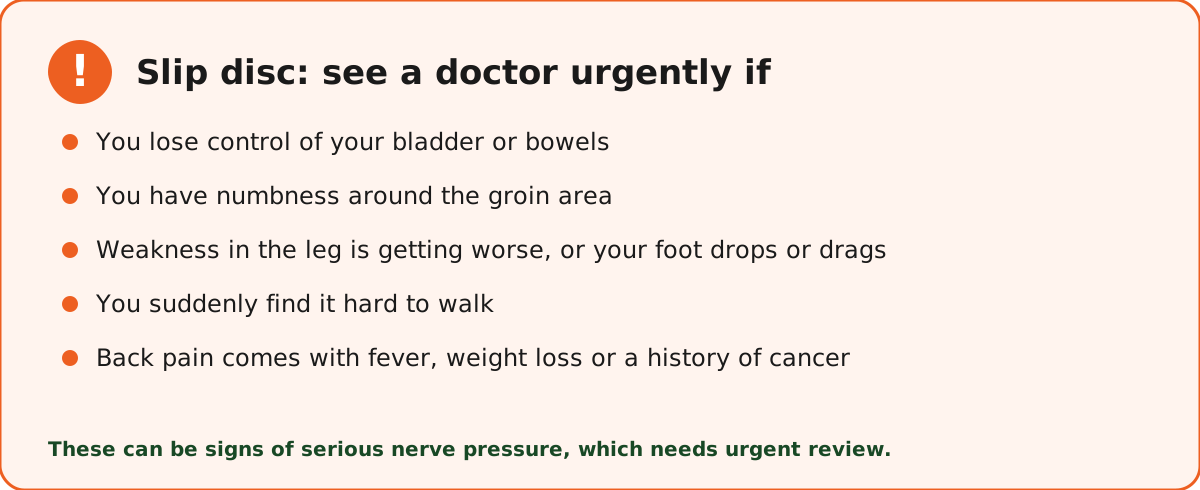
If you experience radiating leg pain, numbness in the feet, or difficulty walking — these indicate nerve compression that needs prompt evaluation. Early treatment prevents progression to severe herniation and speedier recovery without in-patient therapy.