
"Targeted Ayurvedic Care for Reactive Arthritis — Clearing Post-Infectious Toxins and Modulating Immune Response to Arrest Joint Inflammation and Prevent Chronicity Naturally”
Reactive arthritis is joint inflammation triggered by an infection elsewhere in the body, usually urogenital or gastrointestinal. It typically affects the knees, ankles and feet asymmetrically, with heel pain and lower back pain. Many cases settle over months, and treatment at AVN Arogya aims to shorten that course and stop it becoming chronic, through a 14–21 day inpatient program or in some mild cases with out patient treatment as well. Surgery is rarely needed.
Reactive Arthritis — Overview & Ayurvedic Understanding
Reactive arthritis (formerly Reiter's syndrome) is an inflammatory arthritis triggered by an infection elsewhere in the body — typically urogenital (chlamydia) or gastrointestinal (salmonella, shigella). Joint inflammation develops 1-4 weeks after the triggering infection. While many cases resolve within 3-6 months, some become chronic. Ayurvedic treatment addresses the persistent inflammation, supports immune rebalancing, and helps prevent progression to chronic arthritis.
Symptoms of Reactive Arthritis
Joint pain and swelling (typically knees, ankles, feet — asymmetric), heel pain (enthesitis — where tendons attach to bone), lower back pain and stiffness, eye inflammation (conjunctivitis or uveitis), urinary symptoms, skin lesions (keratoderma), mouth ulcers, sausage-like swelling of toes or fingers (dactylitis).
Causes & Risk Factors for Reactive Arthritis
Triggered by bacterial infections — genitourinary (Chlamydia trachomatis) or gastrointestinal (Salmonella, Shigella, Campylobacter, Yersinia). The infection triggers an abnormal immune response that attacks joint tissue. Genetic predisposition (HLA-B27 positive in 60-80% of cases). The joint itself is not infected — it is an immune-mediated reaction.
Reactive Arthritis — Surgery vs Non-Surgical Ayurvedic Treatment
Why Non-Surgical Ayurvedic Treatment Works for Reactive Arthritis
Reactive arthritis follows an infection elsewhere in the body and is not a surgical condition. Many cases settle over months on their own but some cases tend to persist. Treatment aims to shorten that course, control pain and inflammation, and reduce the chance of the arthritis becoming chronic — early treatment gives the best chance of that. Where the triggering infection is still active, it is treated first.
When Surgery Is the Right Path
Surgery is rarely needed. May be required for chronic enthesitis or joint damage unresponsive to prolonged medical management.
We maintain transparent referral relationships with leading orthopaedic and specialist surgeons.
Key Outcomes
Joint swelling and pain reduce within 2-4 weeks of treatment in most patients
Early treatment reduces the chance of the arthritis becoming chronic
Surgery is rarely required
Tracked via joint counts, ESR and CRP
Our Treatment Approach for Reactive Arthritis
At AVN Arogya, Reactive Arthritis is understood as a post-infectious inflammatory response where lingering Ama (metabolic endotoxins resulting from a prior gastrointestinal or urogenital infection) combines with vitiated Vata and Pitta doshas to attack the musculoskeletal framework.
Because this condition can aggressively shift from acute swelling to chronic joint restriction, there is no standardized or fixed treatment package.
Senior physicians personally craft an individualised medical program mapped directly to the stage of post-infectious toxicity, active joint inflammation levels, and your constitutional type (Prakriti). Phase 1: Breaking the Inflammatory Cycle & Metabolic Correction (Ama Pachana & Pitta Samana) Before any high-intensity therapies or heavy oil applications can begin, the acute, hyper-inflammatory post-infectious flare in the joints must be safely settled. • Target: Restoring metabolic efficiency (Agni), arresting acute joint swelling/heat, and eliminating the triggering Ama (endotoxins) from the deeper tissues.
Antibiotic course if active infection detected (coordinated with consultant physician). • Therapies: Non-heating, dry, or mildly warm applications such as Podikkizhi (medicated herbal powder bolus massage) or cooling, soothing medicated liquid washings (Dhara) are deployed over the affected joints to reduce severe pain, swelling, and localized heat without aggravating the inflammation. • Oral Support: Administration of targeted, toxin-clearing, and blood-purifying classical and proprietary formulations to digest systemic metabolic impurities and halt active synovial inflammation simultaneously. Phase 2: Systemic Detoxification & Immuno-Modulation (Shodhanam) Once the acute burning, swelling, and morning stiffness stabilize, specialized cleansing is introduced to eliminate the root systemic triggers and prevent the condition from transitioning into chronic arthritis. • Panchakarma Cleanse: Tailored procedures like Virechana (medicated, controlled purgation) are highly effective in clearing post-infectious metabolic residue from the blood and digestive tract. • Targeted Vasti: Customized Vasti (medicated enemas using specific herbal decoctions or light oils) are deployed to pacify the vitiated Vata dosha, correct the erratic immune response, and bring long-term stability back to the bone and joint tissues. Eye care coordination if uveitis present. Phase 3: Tissue Repair, Joint Mobilization & Remission Maintenance (Rasayana) The final phase focuses on fully restoring joint mechanics, rebuilding strength in affected ligaments, and ensuring the disease does not relapse. • Nourishment & Joint Protection: Mild, tissue-nurturing therapies like Nhavarakkizhi (massage with rice cooked in medicated milk) or localized soothing treatments are used alongside oral supplements to prevent residual joint stiffness and cartilage damage. • Home-Care Transition: Patients transition to a customized home care program consisting of anti-inflammatory diet charts, tailored joint protection exercises, and immuno-modulatory oral medicines to maintain systemic balance and ensure permanent remission. .
Symptoms Associated With Reactive Arthritis
These symptoms commonly occur with Reactive Arthritis. Having one does not mean you have the condition — they are starting points for a conversation with a physician, not a diagnosis.
- Heel & foot pain
- Eye redness
- Fever that comes and goes
- Heel or foot pain (especially first steps in the morning)
- High fever with body aches
- Joint pain (dull, aching)
- Joint pain (sharp, on movement)
- Joint pain (throbbing)
- Joint pain that improves with movement
- Joint pain that improves with rest
- Joint pain that moves from one joint to another
- Joint pain worse in the evening
- Joint pain worse in the morning
- Joint swelling (warm, tender, red)
- Joint swelling that comes and goes
- Low-grade fever (mild, on and off)
- Urethral discharge
Ayurvedic Therapies for Reactive Arthritis
These are examples of classical Ayurvedic therapies that may be selected for your programme depending on your condition, stage, and constitutional type. Your treating physician decides which therapies are appropriate — no two programmes are the same.
Upanaham
AdjunctiveA deeply penetrative hot herbal poultice application bound overnight to melt away chronic joint stiffness and deep pain.
Learn about this therapy →
Lepanam
AdjunctiveAn application of a thick, targeted herbal paste over specific body areas to quickly draw out inflammation, pain, or skin impurities.
Learn about this therapy →
Ajavit kizhi
Kerala TherapyA specialized, traditional dry bolus therapy designed to relieve severe sciatic pain and deep nerve compression.
Learn about this therapy →
Kashayadhara
Kerala TherapyA therapeutic, continuous stream of warm herbal decoctions over the body to cleanse the skin and soothe the nervous system.
Learn about this therapy →
Kadidhara
Kerala TherapyA continuous, rhythmic pouring of warm, fermented herbal grain liquid to combat deep-seated inflammation, fluid retention, and stiffness.
Learn about this therapy →
Podi kizhi
Kerala TherapyA vigorous, deeply warming massage using heated herbal powder boluses to alleviate joint pain, reduce inflammation, and ease muscle stiffness.
Learn about this therapy →
Virechanam
PanchakarmaControlled therapeutic purgation for Pitta-dominant conditions — a cornerstone of Ayurvedic liver, skin, and autoimmune care.
Learn about this therapy →
Vasti
PanchakarmaMedicated enema — the most versatile of the five Panchakarma procedures and the primary treatment for Vata-dominant disorders.
Learn about this therapy →
Kashaya vasti
PanchakarmaA purifying, custom-blended herbal decoction enema used to deeply cleanse the colon, remove toxic blockages, and relieve chronic joint pain.
Learn about this therapy →
Showing 9 of 12 — your physician may include others based on your specific presentation.
Expected Results for Reactive Arthritis Treatment
Acute reactive arthritis: most patients achieve significant improvement within 3-6 months.
Joint swelling and pain reduce within 2-4 weeks of treatment.
Chronic cases (>6 months): sustained improvement with ongoing Ayurvedic management.
Early treatment gives the best chance of preventing chronicity.
Our Specialists for Reactive Arthritis
These physicians have specialist expertise in Reactive Arthritis and typically lead the clinical decisions for complex cases. Any of them can assess and plan your programme — book with whoever's availability works for you.

Dr.Biju Madhavan (BAMS, MD (Ayurveda))
Chief Consultant Physician
Expertise: Musculoskeletal disorders, Spine & Joint rehabilitation
Primary Clinic: Madurai — AVN Arogya Ayurvedic Hospital - Madurai
Languages: English, Tamil, Hindi, Malayalam
Dr. Sridevi Rajeev Warrier (BAMS, (Gold Medalist) )
Medical Director & Senior Consultant Physician
Expertise: Panchakarma, Autoimmune conditions, Women's Health
Primary Clinic: Madurai — AVN Arogya Ayurvedic Hospital - Madurai
Languages: English, Tamil, Hindi, Malayalam
Dr. Ramesh R. Varier (BAMS, (Gold Medalist) & Guru under RAV, Clinical Hypnotherapist)
Senior Consultant Physician & Managing Director
Expertise: AVN, MS, Chronic musculoskeletal diseases, Fertility
Primary Clinic: Madurai — AVN Arogya Ayurvedic Hospital - Madurai
Languages: English, Tamil, Malayalam, Hindi
Dr. Sreejith (BAMS)
Senior Physician
Expertise: General Ayurvedic medicine, Metabolic disorders
Primary Clinic: Madurai — AVN Arogya Ayurvedic Hospital - Madurai
Languages: English, Tamil, Malayalam, Hindi
Physicians Available for Consultation
For first consultations, follow-ups, and routine care, any of these physicians from our broader clinical team is available. Complex cases are always referred to the specialists above.
Dr. Sreeja Biju (BAMS, )
Senior Physician
Expertise: Panchakarma, Chronic pain management
Primary Clinic: Madurai — AVN Arogya Ayurvedic Hospital - Madurai
Languages: English, Tamil, Malayalam
Dr. Chippi (BAMS.,)
Senior - Physician
Primary Clinic: Madurai — AVN Arogya Ayurvedic Hospital - Madurai
Languages: English, Malayalam, Hindi, Tamil
Dr. Arya (BAMS)
Physician
Primary Clinic: Madurai — AVN Arogya Ayurvedic Hospital - Madurai
Languages: English, Tamil, Malayalam
Dr. Unnikrishnan (BAMS, MD (Ayurveda))
Physician
Primary Clinic: Madurai — AVN Arogya Ayurvedic Hospital - Madurai
Languages: English, Tamil, Malayalam, Hindi, Kannada
Dr. Keerthy S. Namboodiri (BAMS, MD (Ayurveda - Paediatrics))
Senior Physician
Expertise: Musculoskeletal disorders, Paediatric cases
Primary Clinic: Madurai — AVN Arogya Ayurvedic Hospital - Madurai
Languages: English, Tamil, Hindi, Malayalam, Kannada
Dr. Keerthika (BAMS)
Physician
Primary Clinic: Madurai — AVN Arogya Ayurvedic Hospital - Madurai
Languages: Tamil, Malayalam, English
Dr. Sheha (BAMS)
Physician
Primary Clinic: Madurai — AVN Arogya Ayurvedic Hospital - Madurai
Languages: Tamil, English, Malayalam, Hindi, Kannada
Dr. Abirami (BAMS)
Physician
Primary Clinic: Madurai — AVN Arogya Ayurvedic Hospital - Madurai
Languages: English, Tamil, Malayalam
Not sure which physician to book with? Send us your reports and we'll match you with the best fit.
WhatsApp for Help Choosing →Mild and less active rheumatic conditions can often be managed with medicines and periodic review after consultation — sometimes alongside your existing treatment. Many cases, and more active or advanced disease, respond best to visiting therapy or an inpatient programme, as your physician advises.
Why Choose AVN Arogya for Reactive Arthritis?
Our integrated approach — treating the inflammatory arthritis while addressing gut health and immune rebalancing — is well-suited for reactive arthritis where the gut-joint axis is central to the condition.
Minimizing Long-Term Drug Dependency: AVN’s holistic model including diet and lifestyle modification, Ayurvedic medicines, Panchakarma therapies, Physiotherapy and Yoga focuses on achieving natural, long-term disease remission.
This significantly reduces a patient's lifelong dependency on heavy painkillers, NSAIDs, corticosteroids, or immunosuppressive drugs that carry severe systemic side effects.
And why AVN Arogya at all
- Trust built on four generations and over 96 years of Ayurveda-based healing, evidenced by the patients we have treated and the testimonials they have given.
- Tamil Nadu's first Ayurvedic hospital to be NABH accredited — a testimony to our commitment to the quality of patient care.
- Doctors who give you a patient hearing, assess in detail using both modern diagnostics and holistic Ayurvedic methods, and make honest recommendations with options to suit your condition.
- Treatment protocols personalised to your situation, including the mode of treatment that fits it — outpatient, day care or inpatient.
- A holistic approach spanning diet, lifestyle, psychological support, pure Ayurvedic medicines and external applications, Panchakarma, Upakarma and Kerala speciality therapies, physiotherapy, rehabilitation and yoga where applicable.
- Safe and effective Ayurvedic medicines manufactured in-house and tested to international standards for heavy metals.
- Cashless inpatient treatment through tie-ups with 35 insurance companies and TPAs.
- EMI-based payment options.
- Corporate tie-ups for screening camps, teleconsultations and inpatient treatment funded by corporate health programmes or insurance.
NABH accreditation covers the Vilachery hospital in Madurai. Cashless cover applies to inpatient treatment at the Vilachery hospital.
Conditions Related to Reactive Arthritis in Rheumatology
Reactive Arthritis Patient Success Stories
Real patients who recovered from Reactive Arthritis at AVN Arogya.

Brindha Balachandarfrom Chennai (currently living in Germany)
Mrs. Brindha Balachandar, 33, was born and raised in Chennai and now lives in Germany with her husband and son. She came to AVN Arogya for back pain associated with sero-negative arthritis, on the strong recommendation of her father, who had been treated there several times for his own back problem. She was treated over a 21-day inpatient stay under Dr. Biju Madhavan, a back specialist. She praised the doctors and staff for attentive, responsive care - visiting daily, gathering feedback after each therapy and adjusting treatment accordingly - and described her overall experience at the Madurai hospital as top-notch.
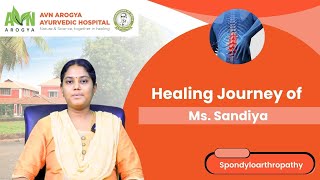
Sandiya Devifrom Kodaikanal
Ms. Sandiya Devi, from Kodaikanal, had seronegative spondyloarthropathy; her back pain worsened until, for several days, she couldn't get up and walk in the mornings and could only lie down. She found AVN Arogya through good online reviews and came for treatment. She reports that after treatment she can now sit (which she couldn't before), walk a little and stand - a clear step forward. (Tamil testimonial.)
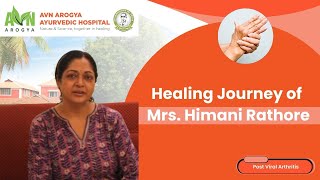
Himanifrom Rajasthan
Himani, from Rajasthan, is featured in an AVN Arogya patient testimonial for (condition per title). The video reports treatment at AVN Arogya (Madurai) with Ayurvedic care (Panchakarma and herbal medicines) and a positive recovery. (Based on the video description; condition-level summary — enrich later if verbatim detail is needed.)
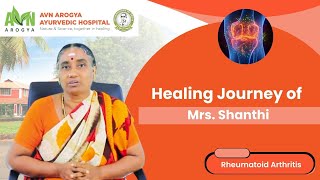
Shanthifrom Madurai
Mrs. Shanthi, from Madurai, battled persistent knee and leg pain caused by rheumatoid arthritis despite earlier treatments. At AVN Arogya she received Ayurvedic care (Panchakarma and herbal medicines). According to the video her pain eased. (Based on the video description.)
Manikandanfrom Hosur
Suffering from rheumatoid arthritis for over 7 years, Mr. Manikandan from Hosur tried many treatments—yet lasting relief remained out of reach. The video reports treatment at AVN Arogya (Madurai) with Ayurvedic care (Panchakarma and herbal medicines) and a positive recovery. (Based on the video description.)
Sunilfrom Florida
Mr. Sunil Kumar Raina, from Florida, had been battling Ankylosing Spondylitis, a chronic inflammatory condition causing severe back pain and stiffness. The video reports treatment at AVN Arogya (Madurai) with Ayurvedic care (Panchakarma and herbal medicines) and a positive recovery. (Based on the video description.)
Reactive Arthritis — Frequently Asked Questions
Some autoimmune conditions, such as systemic lupus erythematosus (SLE) and certain forms of vasculitis, can affect multiple organs over time. However, early diagnosis, regular monitoring, and appropriate treatment can significantly reduce the risk of disease progression and new organ involvement. At AVN Arogya, our integrated Ayurvedic treatment is designed to complement your rheumatologist's care by helping manage inflammation, improve overall well-being, and reduce the frequency of flare-ups. We do not replace conventional treatment, and any prescribed immunosuppressants or other medications should be continued as advised by your specialist. Regular follow-up with your treating doctors, along with recommended blood tests and organ function assessments, is essential for long-term disease control. For a personalised consultation, please contact our Customer Care Team at +91 95002 92220.
Immunosuppressant medicines can have side effects, including an increased risk of infections and the need for regular monitoring. However, uncontrolled autoimmune disease can lead to permanent joint damage, organ involvement, and disability, making appropriate treatment essential. The goal is to achieve good disease control with the lowest effective medication dose, always under the supervision of your rheumatologist. At AVN Arogya, our integrated Ayurvedic treatment is designed to complement conventional care by helping manage symptoms, reduce inflammation, and improve overall quality of life. In some cases, medication adjustments may be possible, but only under the guidance of your treating specialist. Never stop or reduce your immunosuppressant medicines without consulting your rheumatologist. For a personalised consultation, please contact our Customer Care Team at +91 95002 92220.
Rheumatoid arthritis is a chronic autoimmune condition that usually requires long-term management. However, this does not necessarily mean you will need the same medicines or the same doses throughout your life. With good disease control, some patients experience fewer flare-ups and may be able to reduce or simplify their medication regimen under the guidance of their rheumatologist. At AVN Arogya, our integrated Ayurvedic treatment aims to support disease management by reducing inflammation, improving joint function, and enhancing quality of life alongside conventional treatment. Do not stop or reduce your RA medications without consulting your rheumatologist. Any medication changes should always be made under medical supervision. For a personalised treatment plan, please contact our Customer Care Team at +91 95002 92220.
A balanced, anti-inflammatory diet can support the management of autoimmune conditions alongside your prescribed treatment. At AVN Arogya, dietary recommendations are personalised based on your condition and Ayurvedic assessment. We generally recommend including fresh vegetables, leafy greens, whole grains, turmeric, ginger, flaxseeds, walnuts, healthy fats, and easily digestible proteins. Warm, freshly prepared meals and adequate hydration are also encouraged. Some people may find that foods such as dairy, gluten, refined sugar, processed foods, or nightshade vegetables (tomato, potato, brinjal, and capsicum) trigger their symptoms. Since triggers vary from person to person, our physicians may recommend a supervised elimination and reintroduction diet to identify foods that affect you. For personalised dietary guidance, please schedule a telemedicine consultation with one of our doctors. To book an appointment, contact our Customer Care Team at +91 95002 92220.
Rheumatoid arthritis can cause permanent joint damage and deformity if inflammation remains uncontrolled for a prolonged period. However, with early diagnosis and appropriate treatment, the risk of joint deformity can be significantly reduced. At AVN Arogya, treatment focuses on controlling inflammation, relieving pain, preserving joint function, and slowing disease progression through an integrated approach that complements your rheumatologist's treatment. Early intervention offers the best chance of protecting your joints and maintaining mobility. If joint deformity has already developed, treatment can still help reduce pain, improve function, and prevent further damage through personalised therapies, rehabilitation, and lifestyle guidance. For a personalised assessment and treatment plan, please contact our Customer Care Team at +91 95002 92220.
Autoimmune conditions require long-term management, and the duration of treatment varies depending on the condition, its severity, and your response to therapy. At AVN Arogya, patients who require inpatient treatment typically undergo an intensive programme of 14–21 days, followed by 6–12 months or longer of personalised Ayurvedic medicines, dietary modifications, lifestyle changes, and regular follow-up consultations. Many patients begin to notice improvements in symptoms such as pain, stiffness, sleep, and energy levels within the first few months. Since autoimmune diseases are chronic, ongoing care is important to help reduce flare-ups, maintain joint and organ function, and improve quality of life. For a personalised treatment plan and expected timeline, please schedule a telemedicine consultation with one of our doctors by contacting our Customer Care Team at +91 95002 92220.
Yes. Most people with rheumatoid arthritis (RA) can continue working, especially when the condition is well managed. If you have a desk job, maintaining an ergonomic workstation, taking regular breaks, and avoiding prolonged strain on your joints can help. Planning demanding tasks later in the day may also be beneficial, as morning stiffness is common. If your work involves heavy physical activity, you may need temporary job modifications during flare-ups or while undergoing treatment. At AVN Arogya, our treatment aims to reduce inflammation, relieve pain, preserve joint function, and minimise flare-ups so that you can maintain your quality of life and continue your daily activities. During inpatient treatment, patients whose jobs permit work from home can often continue working from the hospital, subject to their medical condition. For a personalised treatment plan, please contact our Customer Care Team at +91 95002 92220.
Yes, inpatient (IP) Ayurvedic treatment for rheumatoid arthritis is covered by health insurance at AVN Arogya. Key details: - ICD codes: M05 (Seropositive RA) / M06 (Other RA) - NABH accredited: AVN Arogya holds NABH accreditation, which is accepted by all major insurers. - Programme duration: RA IP programmes are typically 14-21 days. - Cashless facility: Available for empanelled insurance companies. Pre-authorisation requirements: Your insurer may require recent RA blood panels for pre-authorisation. Keep these ready: - RF (Rheumatoid Factor) - Anti-CCP antibodies - ESR (Erythrocyte Sedimentation Rate) - CRP (C-Reactive Protein) Our insurance desk handles the pre-authorisation process and can guide you through the documentation. Contact us with your policy details before admission so we can verify coverage and arrange cashless processing. If your policy does not support cashless, we provide all necessary documentation for reimbursement claims.
Start Your Reactive Arthritis Treatment
Book a consultation to assess your condition and get a personalised treatment plan.
Terms referenced on this page
View Full Glossary →Agni
The digestive and metabolic fire in Ayurveda. Strong, balanced Agni is considered the root of health; weakened or erratic Agni produces Ama (toxins) and disease.
Ama
Metabolic toxins that accumulate from incomplete digestion. Considered the root cause of most diseases in Ayurveda. Panchakarma detoxification aims to eliminate Ama from tissues.
Anti-inflammatory
Any substance that reduces inflammation -- the body's response characterised by redness, swelling, heat, and pain. Both conventional drugs (like NSAIDs) and Ayurvedic formulations (like Dhanyamla) have anti-inflammatory properties.
Arthritis
A broad term for joint inflammation characterised by pain, swelling, and reduced range of motion. Includes osteoarthritis (wear-and-tear), rheumatoid arthritis (autoimmune), gout, and over 100 other sub-types.
Cartilage
Smooth, rubbery connective tissue covering bone ends in joints. Cartilage loss is the hallmark of osteoarthritis.
Corticosteroids
Powerful anti-inflammatory drugs used to control severe inflammation. Effective short-term but cause significant side effects with prolonged use.
Dhara
A family of Ayurvedic therapies involving continuous pouring of a medicated liquid (oil, milk, buttermilk, or decoction) over the body or specific region. Includes Shirodhara, Takradhara, and Kashaya Dhara.
Dosha
The three fundamental bio-energies that govern all physiological and psychological functions: Vata (movement), Pitta (metabolism), and Kapha (structure). Disease arises from their imbalance.
Flare
A sudden worsening of disease symptoms in chronic conditions, especially autoimmune diseases.
Inflammation
The body's immune response to injury or infection, characterised by redness, swelling, heat, and pain. Chronic inflammation is the driver of autoimmune and degenerative conditions.