Holistic Ayurvedic Management of Peripheral Neuropathy - Restoring Nerve Function, Sensation & Mobility
Ayurvedic nerve regeneration therapy for numbness, tingling, and burning in hands and feet.
Peripheral Neuropathy — Overview & Ayurvedic Understanding
Peripheral neuropathy is damage to peripheral nerves causing numbness, tingling, burning, and sometimes weakness — commonly in the feet. Common causes include diabetes, chemotherapy, B12 deficiency, and autoimmune conditions.
Symptoms of Peripheral Neuropathy
Numbness or tingling in feet (stocking distribution)
Burning or electric-shock sensations
Reduced vibration/position sense
Muscle weakness in feet
Falls risk
Foot ulcers in diabetics
Causes & Risk Factors for Peripheral Neuropathy
Diabetic neuropathy (most common)
Chemotherapy-induced
B12/folate deficiency
Autoimmune (GBS, CIDP)
Alcohol-related
Idiopathic
Peripheral Neuropathy — Surgery vs Non-Surgical Ayurvedic Treatment
Why Non-Surgical Ayurvedic Treatment Works for Peripheral Neuropathy
Peripheral neuropathy responds well to Ayurvedic care, targeted herbal therapies, appropriate Ayurvedic therapies, and internal Rasayanas for nerve regeneration.
When Surgery Is the Right Path
Rarely surgical. Occasional decompression for focal entrapment neuropathies.
We maintain transparent referral relationships with leading orthopaedic and specialist surgeons.
Symptoms Associated With Peripheral Neuropathy
These symptoms commonly occur with Peripheral Neuropathy. Having one does not mean you have the condition — they are starting points for a conversation with a physician, not a diagnosis.
- Burning pain
- Burning relieved by cooling
- Burning sensation on the skin
- Burning worse at night
- Crawling sensation on the skin
- Feeling of coldness in the finger tips
- Foot drop
- Muscle cramps or spasms
- Muscle twitching
- Muscle weakness (difficulty climbing stairs or lifting arms)
- Numbness - partial or one that comes and goes
- Numbness (partial, reduced sensation)
- Numbness in hands and feet
- Pain even from light touch
- Pain that is constant and doesn't change
- Reduced or absent sweating
- Tingling or pins-and-needles sensation
Ayurvedic Therapies for Peripheral Neuropathy
These are examples of classical Ayurvedic therapies that may be selected for your programme depending on your condition, stage, and constitutional type. Your treating physician decides which therapies are appropriate — no two programmes are the same.
Navarakizhi
Kerala TherapyTherapeutic massage with boluses of cooked medicinal rice in warm medicated milk — one of the most restorative Kerala therapies.
Learn about this therapy →
Navaratheppu
Kerala TherapyA direct rub massage using a warm paste of cooked medicinal Navara rice and milk to nourish weak muscles and restore energy.
Learn about this therapy →
Tailadhara
Kerala TherapyA luxurious, highly therapeutic continuous pouring of warm medicated oils to nourish nerves, soothe anxiety, and deeply hydrate tissues.
Learn about this therapy →
Kadidhara
Kerala TherapyA continuous, rhythmic pouring of warm, fermented herbal grain liquid to combat deep-seated inflammation, fluid retention, and stiffness.
Learn about this therapy →
Panchakarma
PanchakarmaThe classical five-procedure Ayurvedic detoxification and rejuvenation system — the cornerstone of deep constitutional treatment.
Learn about this therapy →
Vasti
PanchakarmaMedicated enema — the most versatile of the five Panchakarma procedures and the primary treatment for Vata-dominant disorders.
Learn about this therapy →
Abhyangam
PurvakarmaClassical full-body medicated oil massage — the foundation of almost every Ayurvedic therapeutic programme.
Learn about this therapy →
Swedanam
PurvakarmaA full-body herbal steam bath designed to eliminate toxins, relieve body stiffness, and boost circulation.
Learn about this therapy →
Shirodhara
Scalp relatedContinuous stream of warm medicated oil poured on the forehead — AVN's signature therapy for stress, sleep, and neurological conditions.
Learn about this therapy →
Your physician may also include Shirovasti, depending on your presentation.
Our Specialists for Peripheral Neuropathy
These physicians have specialist expertise in Peripheral Neuropathy and typically lead the clinical decisions for complex cases. Any of them can assess and plan your programme — book with whoever's availability works for you.
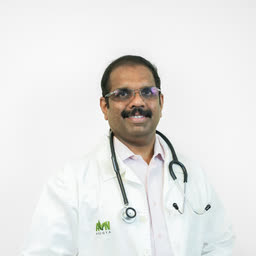
Dr.Biju Madhavan (BAMS, MD (Ayurveda))
Chief Consultant Physician
Expertise: Musculoskeletal disorders, Spine & Joint rehabilitation
Primary Clinic: Madurai — AVN Arogya Ayurvedic Hospital - Madurai
Languages: English, Tamil, Hindi, Malayalam
Dr. Sridevi Rajeev Warrier (BAMS, (Gold Medalist) )
Medical Director & Senior Consultant Physician
Expertise: Panchakarma, Autoimmune conditions, Women's Health
Primary Clinic: Madurai — AVN Arogya Ayurvedic Hospital - Madurai
Languages: English, Tamil, Hindi, Malayalam
Dr. Ramesh R. Varier (BAMS, (Gold Medalist) & Guru under RAV, Clinical Hypnotherapist)
Senior Consultant Physician & Managing Director
Expertise: AVN, MS, Chronic musculoskeletal diseases, Fertility
Primary Clinic: Madurai — AVN Arogya Ayurvedic Hospital - Madurai
Languages: English, Tamil, Malayalam, Hindi
Dr. Chippi (BAMS.,)
Senior - Physician
Primary Clinic: Madurai — AVN Arogya Ayurvedic Hospital - Madurai
Languages: English, Malayalam, Hindi, Tamil
Physicians Available for Consultation
For first consultations, follow-ups, and routine care, any of these physicians from our broader clinical team is available. Complex cases are always referred to the specialists above.
Dr. Sreejith (BAMS)
Senior Physician
Expertise: General Ayurvedic medicine, Metabolic disorders
Primary Clinic: Madurai — AVN Arogya Ayurvedic Hospital - Madurai
Languages: English, Tamil, Malayalam, Hindi
Dr. Sreeja Biju (BAMS, )
Senior Physician
Expertise: Panchakarma, Chronic pain management
Primary Clinic: Madurai — AVN Arogya Ayurvedic Hospital - Madurai
Languages: English, Tamil, Malayalam
Dr. Arya (BAMS)
Physician
Primary Clinic: Madurai — AVN Arogya Ayurvedic Hospital - Madurai
Languages: English, Tamil, Malayalam
Dr. Unnikrishnan (BAMS, MD (Ayurveda))
Physician
Primary Clinic: Madurai — AVN Arogya Ayurvedic Hospital - Madurai
Languages: English, Tamil, Malayalam, Hindi, Kannada
Dr. Keerthy S. Namboodiri (BAMS, MD (Ayurveda - Paediatrics))
Senior Physician
Expertise: Musculoskeletal disorders, Paediatric cases
Primary Clinic: Madurai — AVN Arogya Ayurvedic Hospital - Madurai
Languages: English, Tamil, Hindi, Malayalam, Kannada
Dr. Keerthika (BAMS)
Physician
Primary Clinic: Madurai — AVN Arogya Ayurvedic Hospital - Madurai
Languages: Tamil, Malayalam, English
Dr. Sheha (BAMS)
Physician
Primary Clinic: Madurai — AVN Arogya Ayurvedic Hospital - Madurai
Languages: Tamil, English, Malayalam, Hindi, Kannada
Dr. Abirami (BAMS)
Physician
Primary Clinic: Madurai — AVN Arogya Ayurvedic Hospital - Madurai
Languages: English, Tamil, Malayalam
Not sure which physician to book with? Send us your reports and we'll match you with the best fit.
WhatsApp for Help Choosing →After an initial consultation, the physician advises the right pathway for you. Some conditions can be supported with outpatient medicines and home guidance, while many neurological conditions respond best to structured visiting therapy or an inpatient rehabilitation programme.
Treatment cost
We do not publish a price for peripheral neuropathy treatment, and that is deliberate. AVN Arogya does not use fixed protocols — the treating physician designs each programme individually, and it is that protocol which determines the cost.
It is only at the end of your consultation that the physician can say which kind of care you actually need:
- Outpatient — medicines to take at home, with review visits. The least involved option, and for many people it is enough.
- Visiting therapy — you come in for therapy sessions over a period and return home the same day.
- Inpatient admission — you stay with us for intensive daily therapy. Here the estimate also depends on the duration the physician recommends and the room category you choose.
Once those are decided we give you a written estimate for your own plan, including what your insurance is likely to cover. Quoting a figure before the assessment would mean quoting one that may not apply to you.
Get a cost estimateWhy Choose AVN Arogya for Peripheral Neuropathy?
Integrated Tri-Fold Rehabilitation: Combines authentic Panchakarma therapies, specialized neurological physiotherapy, and customized therapeutic yoga under one roof for complete sensory and motor recovery Root-Cause Nerve Rejuvenation: Moves beyond symptomatic pain masking (such as painkillers or nerve-blockers) to clear micro-vascular blockages, reduce neuro-inflammation, and nourish nerve tissue (Majja Dhatu) Comprehensive Fall Prevention & Safety: Merges balance retraining from physiotherapy with grounding yoga postures to help patients regain spatial confidence and drastically lower fall risks.
Personalized Precision Care: Every treatment regimen, oil formulation, exercise sequence, and yoga prescription is individually tailored to the patient's specific underlying etiology (e.g., diabetic neuropathy, chemo-induced neuropathy, or idiopathic degeneration) and constitutional type (Prakriti).
And why AVN Arogya at all
- Trust built on four generations and over 96 years of Ayurveda-based healing, evidenced by the patients we have treated and the testimonials they have given.
- Tamil Nadu's first Ayurvedic hospital to be NABH accredited — a testimony to our commitment to the quality of patient care.
- Doctors who give you a patient hearing, assess in detail using both modern diagnostics and holistic Ayurvedic methods, and make honest recommendations with options to suit your condition.
- Treatment protocols personalised to your situation, including the mode of treatment that fits it — outpatient, day care or inpatient.
- A holistic approach spanning diet, lifestyle, psychological support, pure Ayurvedic medicines and external applications, Panchakarma, Upakarma and Kerala speciality therapies, physiotherapy, rehabilitation and yoga where applicable.
- Safe and effective Ayurvedic medicines manufactured in-house and tested to international standards for heavy metals.
- Cashless inpatient treatment through tie-ups with 35 insurance companies and TPAs.
- Interest-free EMI on inpatient treatment, over 3 to 18 months, through our financing partners.
- Corporate tie-ups for screening camps, teleconsultations and inpatient treatment funded by corporate health programmes or insurance.
NABH accreditation covers the Vilachery hospital in Madurai. Cashless cover applies to inpatient treatment at the Vilachery hospital.
Conditions Related to Peripheral Neuropathy in Neurological diseases
Peripheral Neuropathy Patient Success Stories
Real patients who recovered from Peripheral Neuropathy at AVN Arogya.
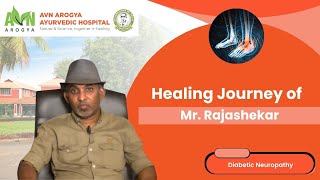
Rajashekarfrom Canada
Rajashekar, from Canada, is featured in an AVN Arogya patient testimonial for Avascular Necrosis of the hip with Diabetic Neuropathy. The video reports treatment at AVN Arogya (Madurai) with Ayurvedic care (Panchakarma and herbal medicines) and a positive recovery. (Based on the video description; condition-level summary — enrich later if verbatim detail is needed.)
Ganesanfrom Rajapalayam
Mr. Ganesan from Rajapalayam visited AVN Arogya Ayurvedic Hospital, Madurai, suffering from severe burning pain in the soles of his feet due to Diabetic Neuropathy. The video reports treatment at AVN Arogya (Madurai) with Ayurvedic care (Panchakarma and herbal medicines) and a positive recovery. (Based on the video description.)
Rangarajanfrom Thanjavur
Mr. Rangarajan visited AVN Arogya Ayurvedic Hospital, Madurai, seeking Ayurvedic care for Diabetic Neuropathy, a condition that often causes nerve-related discomfort such as p. The video reports treatment at AVN Arogya (Madurai) with Ayurvedic care (Panchakarma and herbal medicines) and a positive recovery. (Based on the video description.)
Vijaya
Mrs. Vijaya had nerve pain and discomfort from diabetic neuropathy and sciatica. At AVN Arogya she received holistic Ayurvedic care (Panchakarma and herbal medicines). According to the video she found relief from the nerve pain and discomfort. (Based on the video description.)
Peripheral Neuropathy — Frequently Asked Questions
Yes. Stroke rehabilitation is one of the key areas of expertise at AVN Arogya. Our integrated rehabilitation programme combines personalised Ayurvedic therapies, Panchakarma procedures, physiotherapy, speech therapy support, and internal medicines to improve mobility, muscle strength, balance, coordination, speech, and overall quality of life. Rehabilitation is most effective when started as early as possible after the patient is medically stable, although many patients who begin treatment months or even years after a stroke also experience meaningful functional improvements. Our treatment is provided alongside your neurologist's care and does not replace prescribed medications or medical follow-up. The rehabilitation plan is individualised based on the patient's condition and recovery goals. For a personalised stroke rehabilitation assessment, please schedule a telemedicine consultation or contact our Customer Care Team at +91 95002 92220.
Rehabilitation should begin as early as possible once the patient is medically stable, as early intervention supports better recovery of movement, speech, and daily function. The first few months after a stroke are often an important period for rehabilitation due to the brain’s ability to adapt and form new connections (neuroplasticity). However, it is never too late to seek rehabilitation. Many patients who start rehabilitation months or even years after a stroke can still experience improvements in mobility, balance, speech, and independence with a structured programme. At AVN Arogya, our doctors assess each patient’s condition, functional ability, and rehabilitation needs before recommending the appropriate treatment plan. For a personalised stroke rehabilitation assessment, please schedule a telemedicine consultation or contact our Customer Care Team at +91 95002 92220.
Ayurvedic treatment can be used as a complementary approach alongside conventional Parkinson’s disease management. At AVN Arogya, treatment focuses on improving quality of life by addressing symptoms such as stiffness, tremors, mobility challenges, balance issues, sleep disturbances, and digestive concerns. Our approach may include personalised Ayurvedic therapies, medicines, yoga, and lifestyle recommendations based on the patient’s condition and needs. When combined with regular neurological care, these measures may help patients manage symptoms and maintain daily function. Ayurvedic treatment does not replace prescribed Parkinson’s medications such as dopamine therapy. Any changes to existing medicines should be made only under the guidance of the treating neurologist. For a personalised consultation and treatment plan, please contact our Customer Care Team at +91 95002 92220.
Frequent use of painkillers for migraines can lead to medication overuse headache (MOH), where headaches become more frequent because of regular painkiller use. This risk is higher if pain-relieving medicines are taken on more than 10–15 days a month, depending on the medication. At AVN Arogya, our treatment focuses on identifying and managing the underlying factors that contribute to migraines, including lifestyle, diet, sleep, and stress, with the aim of reducing the frequency and severity of attacks. As migraine control improves, many patients require painkillers less often. Do not stop or reduce your prescribed medications without consulting your doctor. If you are using painkillers frequently, our physicians can assess your condition and guide you on the most appropriate treatment plan. For a personalised consultation, please contact our Customer Care Team at +91 95002 92220.
Ayurvedic treatment can be a supportive approach for Bell’s Palsy rehabilitation, with the aim of improving facial muscle function, symmetry, and overall recovery. Early evaluation and treatment may help achieve better outcomes. At AVN Arogya, the treatment approach may include personalised Ayurvedic therapies such as Nasya, external therapies, internal medicines, and facial exercises to support nerve function and facial muscle recovery. Recovery varies from person to person depending on the severity of nerve involvement, time since onset, and individual response to treatment. Many patients experience gradual improvement with consistent therapy and rehabilitation. For best results, early consultation is recommended, especially during the initial weeks after symptom onset. For a personalised assessment and treatment plan, please contact our Customer Care Team at +91 95002 92220.
Migraine triggers vary from person to person, but common triggers include: • Stress and emotional strain • Irregular sleep (too little or too much sleep) • Skipping meals or prolonged fasting • Dehydration • Bright or flickering lights, prolonged screen exposure, and loud noise • Alcohol, excessive caffeine, or sudden caffeine withdrawal • Processed foods, MSG, and certain fermented or aged foods • Hormonal changes, especially around menstrual periods • Strong odors such as perfumes, paint fumes, or chemicals • Travel fatigue and changes in routine Because triggers are highly individual, we recommend maintaining a headache diary for a few weeks to identify patterns related to food, sleep, stress, and environmental factors. At AVN Arogya, we combine trigger identification with personalised Ayurvedic treatment and lifestyle guidance to help reduce migraine frequency and improve quality of life. For a personalised migraine assessment, please contact our Customer Care Team at +91 95002 92220.
Having one stroke does increase the risk of another, but the risk can be significantly reduced by controlling factors such as high blood pressure, diabetes, cholesterol, heart disease, and by taking prescribed medications regularly. At AVN Arogya, Ayurvedic treatment is provided as a complement to your neurologist's treatment, not as a replacement. Our approach focuses on rehabilitation, improving mobility, supporting overall health, stress management, and promoting a healthy lifestyle, which may contribute to better long-term recovery. It is essential to continue all prescribed medications, including blood thinners, antihypertensives, or cholesterol-lowering medicines, unless advised otherwise by your neurologist. For a personalised stroke rehabilitation plan, please contact our Customer Care Team at +91 95002 92220.
Maintaining a regular daily routine is one of the most effective ways to reduce migraine frequency. Consistency in sleep, meals, and daily activities helps minimise common migraine triggers. Helpful lifestyle measures include: • Maintain a fixed sleep schedule every day. • Eat regular meals and avoid skipping breakfast or lunch. • Stay well hydrated by drinking adequate water. • Engage in moderate exercise, such as walking or yoga, on most days. • Practise stress management through pranayama, meditation, or relaxation techniques. • Limit prolonged screen time, especially before bedtime, and take short breaks during continuous work. • Identify and avoid personal migraine triggers, such as certain foods, lack of sleep, or stress. At AVN Arogya, we provide personalised lifestyle and dietary guidance as part of an integrated migraine management plan. For a personalised consultation, please contact our Customer Care Team at +91 95002 92220.
Start Your Peripheral Neuropathy Treatment
Book a consultation to assess your condition and get a personalised treatment plan.
Terms referenced on this page
View Full Glossary →Degeneration
Gradual deterioration of tissues due to ageing or disease. In musculoskeletal medicine, refers to progressive loss of cartilage, bone density, and disc height.
Dhatu
The seven bodily tissues in Ayurveda — Rasa (plasma), Rakta (blood), Mamsa (muscle), Meda (fat), Asthi (bone), Majja (marrow/nervous tissue), and Shukra (reproductive tissue). Health reflects the integrity of the dhatus.
Inflammation
The body's immune response to injury or infection, characterised by redness, swelling, heat, and pain. Chronic inflammation plays a central part in many autoimmune and degenerative conditions.
Neuropathy
Damage or dysfunction of peripheral nerves causing numbness, tingling, burning, or weakness in the hands and feet.
Panchakarma
The five classical detoxification procedures of Ayurveda: Vamana (emesis), Virechana (purgation), Vasti (enema), Nasya (nasal), and Raktamokshana (bloodletting). The cornerstone of Ayurvedic therapeutics.
Physiotherapy
A healthcare discipline that uses physical methods -- exercises, manual therapy, and electrotherapy -- to restore movement and function. At AVN Arogya, physiotherapy is integrated with Ayurvedic treatment for comprehensive rehabilitation.
Prakriti
An individual's unique constitutional type determined at birth by the predominance of doshas. Understanding Prakriti guides personalised treatment, diet, and lifestyle recommendations.