

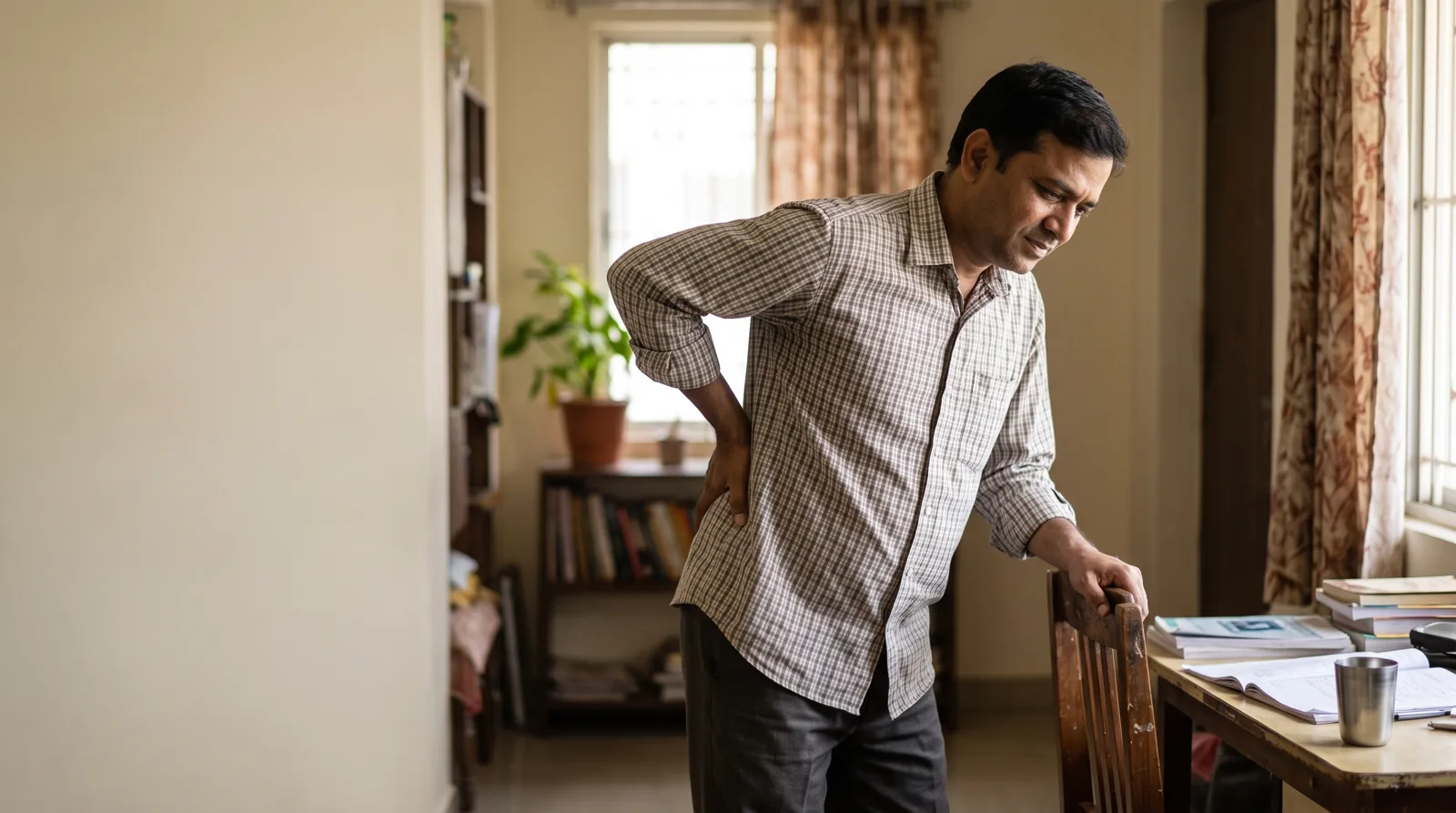
Still in pain after spine surgery? It is easy to feel you have used up your last option. You have not. Pain that continues after an operation usually has a cause that can be found, and many of those causes are not problems for a second operation. At AVN Arogya, our physicians first find out why. Then, where it is right for you, we treat the operated back as we treat disc disease: calm the inflammation, then nourish and rebuild, so the body's own healing can do its work.
Why does back pain continue after spine surgery?
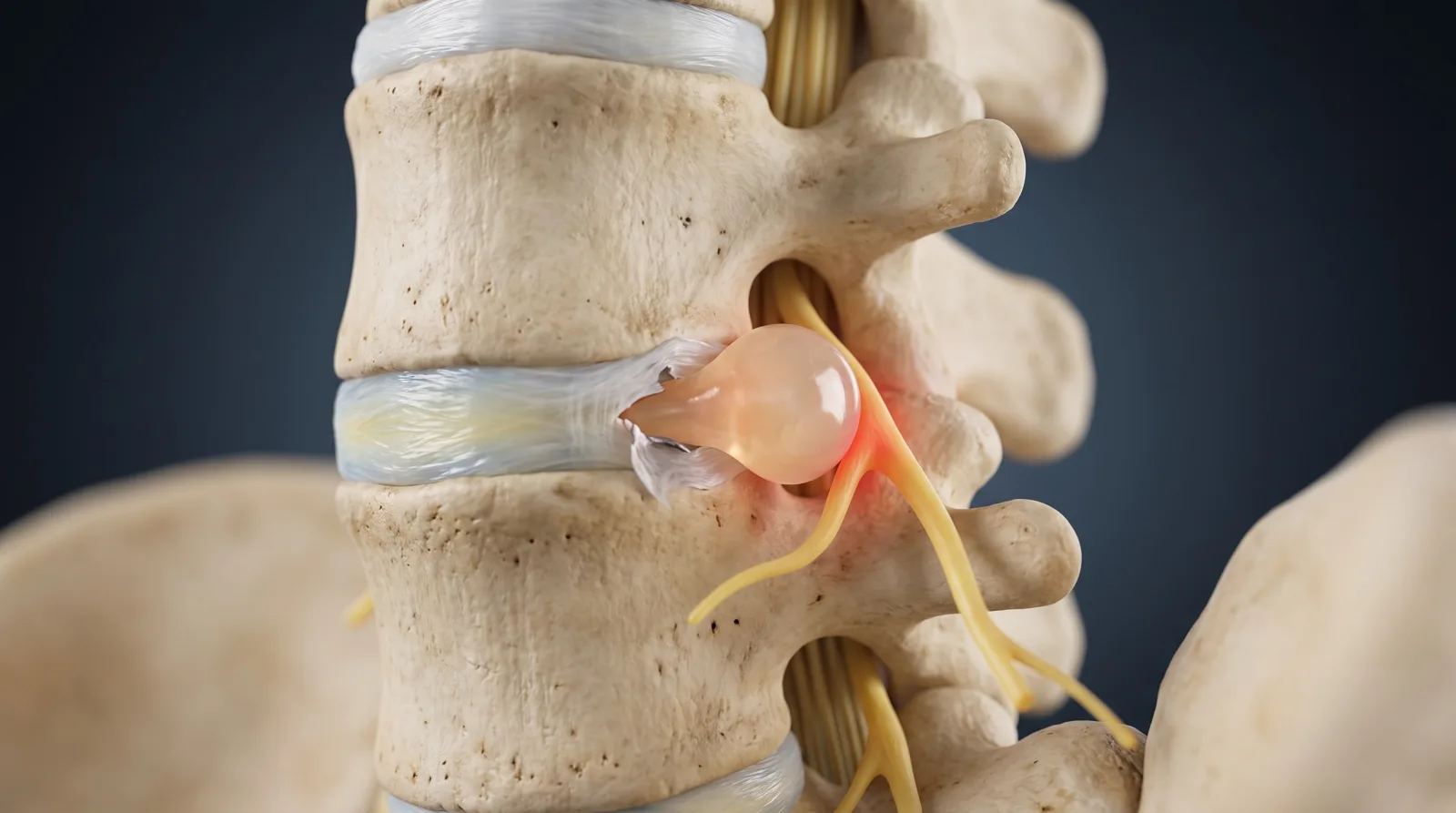
Doctors sometimes call this "failed back surgery syndrome". The name is unkind and often unfair, because the operation may have done exactly what it set out to do. The usual reasons are:
- a new or recurrent disc herniation, at the same level or the one next to it
- scar tissue forming around the nerve root
- instability, or a problem with screws or rods, after a fusion
- extra wear at the level next to a fusion, which now carries more load
- back and core muscles weakened by months of pain and rest
- nerve pain that continues even after the pressure on the nerve has been removed
Knowing which of these applies to you changes everything that follows.
Can Ayurveda help after failed back surgery?
Yes, in many situations it can. The body does not lose its power to heal because it has been operated on, and Ayurveda works by strengthening that healing, with medicines and therapies that act differently from painkillers. Ayurvedic therapies directly address nerve-root inflammation, disc hydration and the protective muscle spasm that keeps a back locked in pain. Those are often the very things that keep an operated back hurting.
Our signature lower-back therapy, Kati Vasti, lists post-surgical spine recovery among the situations it may suit. Many patients who come to us after spine surgery go home sitting, walking and sleeping more comfortably than when they arrived.
How AVN treats back pain after spine surgery
There is no fixed package. Every programme is designed personally by your physician around your scans, the stage of your condition, how inflamed the back is and how you respond.
- Finding the cause. A senior physician reviews your scans and examines you, then decides with you whether the right path is inpatient care, outpatient care or a referral back to a surgeon. Please bring your operation notes and every scan you have, from before and after surgery, so we can compare them.
- Calming first. If there is active inflammation or spasm, strengthening is not attempted at the start; anti-inflammatory measures come first, and rebuilding therapies are introduced only when the spine is ready.
- The classical therapies. As your physician decides, these can include Kati Vasti, in which warm medicated oil is held over the lumbar spine in a dough ring; Vasti, a medicated enema and the most versatile of the Panchakarma procedures; Ajavit kizhi, a dry bolus therapy for severe sciatic pain and deep nerve compression; Elakizhi, warm boluses of fresh medicinal leaves for painful, inflamed areas; and Tailadhara, a continuous pouring of warm medicated oil to nourish the nerves. Your physician chooses each therapy, and where it is applied, with your surgery in mind: heat and pressure near the scar or any implant are adjusted, and nothing is applied over a wound that has not fully healed. Therapies are not given to the skin where there is an infection or open lesion at the site.
- Rebuilding. Physiotherapy and supervised yoga are part of the programme from the right moment, to rebuild the core and back muscles that surgery and long rest have weakened.
Our own medicines are made in our in-house GMP-certified factory and tested to international standards for heavy metals. For lumbar disc problems, an inpatient programme typically runs 14 to 21 days; your physician decides whether you need it after assessing you. You go home with a three-month medicine and exercise plan, posture coaching and monthly teleconsultations, so the healing continues after discharge.
What can you expect from treatment after failed back surgery?
Progress is measured, not assumed. Your pain score and a back-disability score are recorded at the start and tracked through treatment, so you, and your surgeon if you wish, can see whether it is working.
We will also be honest with you: an operated spine often recovers more slowly than one that has never been operated on, and we say so at the first consultation. The same staged care that helps our disc and sciatica patients is given time to work, and your physician adjusts the plan as your back responds. You can watch our patients' stories in their own words.
Working alongside your surgeon
If you take medicines for nerve pain, continue them. Any change is a decision for the doctor who prescribed them. With your permission, we will write to your surgeon about our findings and plan.
When is surgery needed again after failed back surgery?
We say this plainly because it matters. You need a surgeon's review, sometimes urgently, if there is weakness that is getting worse or a new foot drop, or any change in bladder or bowel control. A loosened implant, an unstable spine, or a large recurrent herniation pressing on a nerve with symptoms that are not settling also need a surgical opinion. We maintain transparent referral relationships with orthopaedic and spine surgeons, and if surgery is the right answer we will tell you without delay.
Seek urgent care if
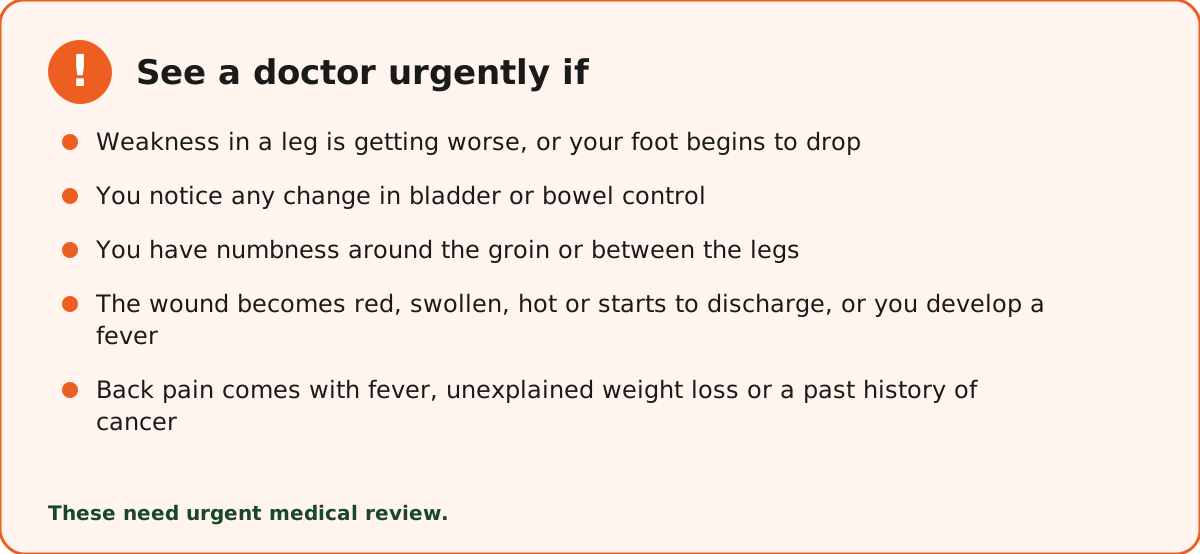
- weakness in a leg is getting worse, or your foot begins to drop
- you notice any change in bladder or bowel control
- you have numbness around the groin or between the legs
- the wound becomes red, swollen, hot or starts to discharge, or you develop a fever
- back pain comes with fever, unexplained weight loss or a past history of cancer
Frequently asked questions
Can Ayurveda help if my back surgery has failed?
Often, yes. When the cause is scar tissue, an irritated nerve or weakened muscles, our approach of calming inflammation and then nourishing and rebuilding is well suited to it. Your physician will first check whether anything needs a surgeon's attention.
Is Kati Vasti safe if I have screws or rods in my spine?
Post-surgical spine recovery is one of the situations Kati Vasti may suit. Your physician decides whether it is right for you and adjusts it around your scar and implants.
Should I stop my nerve-pain tablets when I start Ayurvedic treatment?
No. Never stop or reduce a prescribed medicine on your own. Any change is for the doctor who prescribed it.
Will I need another operation?
Not necessarily. Many causes of pain after surgery are not surgical problems. If yours is, for example a large recurrent herniation with worsening weakness, we will refer you to a surgeon.
Do I have to travel to Madurai first?
No. You can begin with a phone or video consultation and send your scans in advance.
If your operation has not given you the relief you hoped for, get a second view from physicians who still see your back as something that can heal. Read about Ayurvedic treatment for lumbar slip disc at AVN Arogya, or book a consultation. You can send your operation notes and scans in advance.